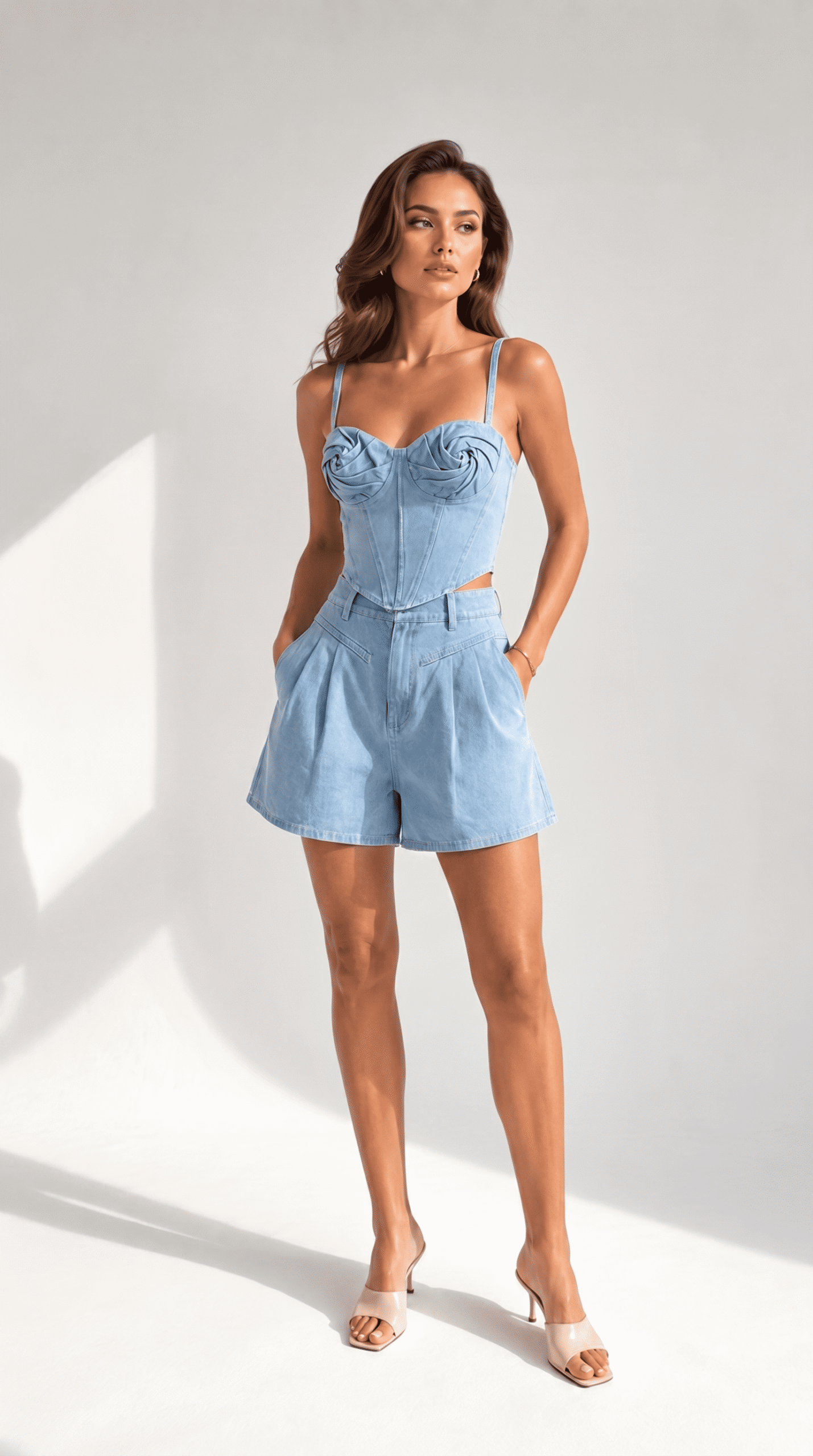
For centuries, corsetry has been celebrated as the ultimate tool for silhouette enhancement, posture support, and dramatic style. However, for a long time, the mainstream fashion industry overlooked a crucial truth: corsets look absolutely spectacular on curvy bodies. A well-crafted women’s corset top isn’t about hiding or changing your shape; it is about celebrating, supporting, and defining your natural curves.
When you possess a fuller figure, a corset offers structural benefits that standard tops simply cannot match. It lifts the bust, aligns the spine, and accentuates the waist, creating a balanced and striking silhouette. The secret to unlocking this confidence lies entirely in understanding construction, materials, and sizing. If you have ever felt intimidated by the prospect of buying an authentic corset, this comprehensive guide will dismantle the myths and help you find your flawless fit.
At Bustier Brand, we believe that luxury structure belongs to every body. Finding the perfect women’s corset top when you are plus-size requires a shift in mindset from standard clothing shopping. You aren’t just looking for something that stretches over your curves; you are looking for an architectural garment designed to anchor to your skeletal frame and embrace your soft contours. Let’s explore exactly how to navigate this journey.
Understanding Corset Construction: Bones, Fabrics, and Lacing
When shopping for a high-quality women’s corset top, the first thing to examine is the interior architecture. Cheap, mass-market fashion brands often use plastic boning, which is a major pitfall for plus-size figures. Plastic heats up from body warmth, bends into uncomfortable creases, and can painfully poke into the skin. To achieve genuine support and a smooth silhouette, look for garments constructed with spiral and flat steel boning. Flat steel bones provide rigid structure along the spine and busk, while spiral steel bones contour flexes with your movements, ensuring comfort throughout the day.
The fabric used in a women’s corset top is just as vital as the boning underneath. A flimsy fabric will stretch out of shape under tension, rendering the garment ineffective. True structural corsets utilize specialized, tightly woven materials like cotton coutil, heavy satin, premium leather, or dense brocade. If you are opting for a lightweight fashion look, ensure the piece is fully lined with a non-stretch cotton canvas to keep the tension even and the skin breathing comfortably.
Finally, consider the closure mechanism. True structural shaping relies on a functional rear lacing system with sturdy grommets. Avoid tops that rely solely on weak zippers or flimsy hook-and-eye closures if you are looking for noticeable waist definition. A proper lace-up back allows you to customize the fit to your exact proportions, tightening or loosening specific sections to mirror the unique curves of your ribs, waist, and hips.
Underbust vs. Overbust: Which Style Works Best for Curves?
One of the most exciting decisions you will make is choosing between an underbust and an overbust women’s corset top. An underbust model begins right beneath the breasts and extends down to the hips. This style is exceptionally versatile for plus-size styling because it allows you to wear your favorite, most supportive bra underneath. It focuses entirely on smoothing the midsection and defining the waist, making it incredibly easy to layer over flowing dresses, crisp button-down shirts, or casual linen tops.
An overbust corset, on the other hand, covers the bust entirely, acting as both a supportive bra and a structured top. For fuller busts, an overbust women’s corset top offers unparalleled lift and eliminates the shoulder strain caused by traditional bra straps. The key to a successful overbust fit is the neckline shape. A sweetheart or plunge neckline beautifully frames a generous décolletage, while a straight-cut overbust offers a more minimalist, editorial vibe that looks exceptionally sleek under tailored blazers.
Ultimately, your choice depends on the occasion and your comfort level. Underbust corsets are often preferred by beginners because they offer greater mobility and are easier to sit in for extended periods. Overbust corsets make a bolder statement, functioning beautifully as a standalone evening top or a dramatic centerpiece for a high-fashion look. Both styles offer incredible benefits; many women eventually add both to their wardrobe collection.
How to Measure Your Body for a Perfect Plus-Size Fit
Sizing a women’s corset top is completely different from buying a standard dress or t-shirt. Because a corset is a rigid, tailored garment, relying on sizes like XL, 2XL, or 3XL will almost always result in an improper fit. To get the perfect match, you will need a soft measuring tape and a few accurate numbers. Always measure against your bare skin or thin undergarments, keeping the tape snug but not tight enough to indent your skin.
Start by measuring your natural waist, which is the narrowest part of your torso, typically an inch or two above your belly button. Next, take your underbust measurement directly where your bra band sits, followed by your upper hip measurement around the widest part of your pelvic bones. If you are purchasing an overbust women’s corset top, you will also need a full-bust measurement taken horizontally across the apex of your chest. Write these numbers down precisely without sucking in your stomach, as accuracy is your best friend here.
When choosing a structural corset size, the rule of thumb is usually to subtract 4 to 6 inches from your natural waist measurement. For example, if your natural waist is 38 inches, you will generally look for a size 32 or 34 corset to allow for proper compression and back gap spacing. However, for fashion-forward, casual designs that feature light boning or partial stretch panels, you should align your measurements directly with the brand’s specific size chart rather than sizing down. Never guess your size—rely solely on your current tape measurements.
Seasoning Your Corset: The Secret to Long-Term Comfort
Once your brand-new women’s corset top arrives, it can be tempting to lace it up tightly right away and head out the door. However, if your garment contains authentic steel boning or dense canvas fabrics, you must undergo a process called “seasoning” or breaking it in. Just like a high-end pair of leather boots, a corset needs time to mold specifically to the unique contours of your body, and the internal bones need to adapt to your heat and pressure.
To properly season your women’s corset top, wear it gently laced for about 1 to 2 hours at a time for the first few days. Do not pull the laces to their maximum tightness during this phase; tighten it just enough to feel secure and supported, like a firm hug. As you wear it, your body heat will naturally soften the fibers, and the steel boning will begin to subtly curve around your ribs and hips, eliminating any initial stiffness.
After roughly 10 to 12 hours of total wear time, you will notice the garment feels significantly more comfortable, almost acting like a second skin. At this point, the fibers have settled, and you can safely lace it tighter to achieve your desired level of waist reduction and dramatic lift. Skipping this essential step can cause structural damage to the fabric or warp the boning, so patience is absolutely key to preserving your investment.
Styling Tips: Rocking Your Corset Top on Any Occasion
Modern fashion has liberated the corset from being an undergarment, turning the women’s corset top into one of the most versatile outerwear pieces in a contemporary wardrobe. For a sophisticated daytime look, try layering an underbust corset over an oversized white button-down shirt paired with tailored wide-leg trousers. This creates an elegant contrast between the structured midsection and the fluid drapes of the fabric, perfectly balancing your proportions.
If you want an edgy, casual aesthetic, style a vibrant or dark denim women’s corset top with high-waisted boyfriend jeans and a sleek leather jacket. High-waisted bottoms are a plus-size styling secret when wearing corsetry, as they seamlessly meet the bottom edge of the corset, ensuring smooth lines and eliminating any unwanted shifting. Finish the look with chunky boots or minimalist heels to effortlessly command attention wherever you go.
For evening wear, let a luxury satin or jacquard overbust corset take center stage. Pair it with a flowing maxi skirt or a sleek slip dress for an ultra-romantic, high-glamour vibe. Because a well-fitted corset offers all the bust support you need, you can confidently sport an open neckline or off-the-shoulder styling without worrying about slipping straps. The structural contrast of a fitted bodice against a flowing skirt beautifully highlights a classic hourglass silhouette.
Overcoming Common Fit Issues for Curvy Figures
When trying on a women’s corset top, it is completely normal to encounter a few fit hurdles as you learn how the garment interacts with your body. One common concern is “spillage” at the top or bottom edges. If you notice skin pinching or spilling over, it does not mean corsets aren’t for you—it simply means the garment is either laced too tightly at that specific spot or you need a style with a higher cut. A proper lace-up back allows you to create a “V” or “parallel” opening shape to relieve pressure where your body needs extra breathing room.
Another frequent issue is gaping at the bust or hips. If the waist fits beautifully but the top gaps open, your body shape might favor an underbust style, or you may need an overbust top with adjustable bust laces. Remember, our bodies are wonderfully unique, and a standard factory cut might need minor adjustments via the rear lacing to perfectly accommodate a smaller bust with wider hips, or vice versa.
Lastly, make sure the length of the corset suits your torso. If you have a short torso, a standard longline corset might dig painfully into your thighs when you sit down. If this happens, look for a shorter “waspie” style or an arched-hip design that curves upward over the thigh bones. Comfort should always be your guiding light; a properly fitting corset should feel incredibly supportive and empowering, never restrictive or painful.
Conclusion: Empowering Your Wardrobe with Bustier Brand
Investing in a premium women’s corset top is an act of celebrating your presence, your style, and your curves. By choosing structural integrity, taking precise measurements, and allowing the garment time to adapt to your body, you unlock an unparalleled fusion of comfort, confidence, and high fashion. There is no shape or size that cannot look completely breathtaking in a masterfully constructed corset.
Explore the curated collections at Bustier Brand to find a stunning variety of structural tops designed to honor your individuality. Whether you are stepping into corsetry for the very first time or expanding an elegant collection, the perfect fit is waiting to transform your wardrobe and elevate your confidence to spectacular new heights.